
Through the woods on either side of my apartment complex. There is a wonderful little stream really close to me which I didn’t realise when I moved in here but the apartments are named after the creek. Shows you how much time I’ve spent OUTSIDE this apartment in the 2 years I’ve lived here.
I want to tell you some of the plants I found and another reason they are hiding that virtually every plant in nature has value to humans for lots of different wonderful uses.
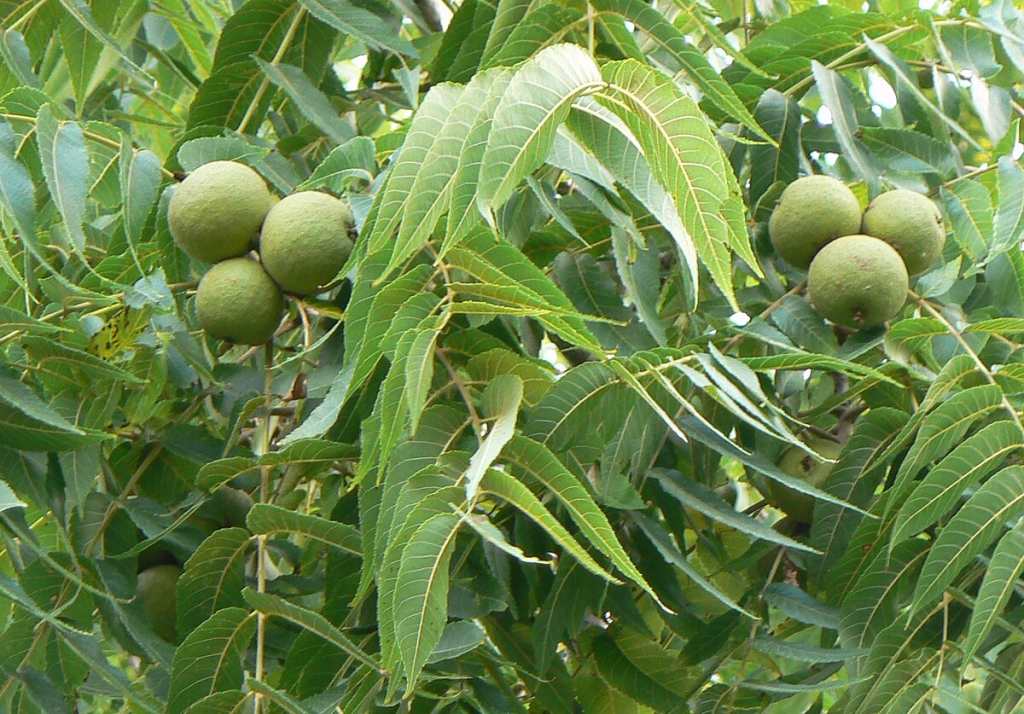
The first thing I found that I did not know was there is a couple of adjacent Black Walnut trees and large walnuts strewn across the ground. No one is using these. I grabbed one, which was all I could carry. I didn’t decide to forage until after I started to take my morning walk so I brought very little but my phone. I used AI to identify species with which I wasn’t familiar. But I didn’t need it for the walnuts!

https://www.adkinsarboretum.org/programs_events/ipp/black-walnut.html
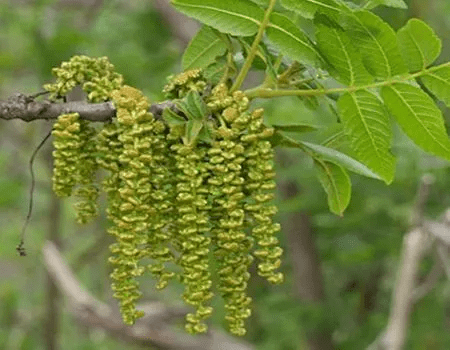
Latin name: Juglans nigra
Etymology: Juglans comes from the Latin name jovis, meaning “of Jupiter,” and glans meaning “an acorn.” Specific epithet means “black,” in reference to the dark bark and nut.
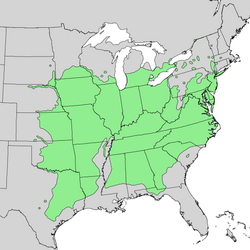
Most of you are going to be flabbergasted when you learn all the great uses for these natural plant that are completely free resources to us.
Parts Used: leaves, nuts, bark, wood, sap
Season: spring, summer, fall
Indigenous Uses
“As a food, indigenous peoples mixed the crushed nuts in breads and puddings. The nut meats were also an important ingredient in corn soups and several other traditional native dishes. The fresh nuts would be crushed and boiled to make a beverage. The bark was used cautiously in medicine because it is poisonous. It was chewed for toothache and made into a decoction as an emetic (induces vomiting), to get rid of bile, and as a laxative. The bark of charred twigs and old bark from the trunk was mixed with water and used as a remedy for snakebites. An inner bark infusion was used for smallpox. A tea from the leaves treated goiter and was used to wash sores. A poultice from the leaves and crushed hulls of the nuts for topical applications to remove ringworm, treat athlete’s foot, and hemorrhoids. The sap of black walnut was used externally as an anti-inflammatory. Black walnut supported a range of craftwork that used the wood for construction, furniture, and carving; the bark, roots, and husks for brown dye; the leaves for greenish dye; the nut to make brown and black dyes; the crushed nuts mixed with bear grease to make a mosquito repellent; and the leaves placed around a living space to deter fleas. In slow waters the green husks of black walnuts were used as a fish poison to stun fish for harvest.
Edible Parts
Harvest black walnuts as soon as they have fallen and remove the hulls within a couple days of gathering. Remove the hulls by stomping on them, or pound with a hammer, brick, or small log. Once hulled, dry the nuts in their shells for a month or longer in a space with good air circulation. Crack the shells with a strong nutcracker or hammer, and pick out the nutmeat. Use in baking, beverages, soups, and any dish lending itself to culinary creativity.
Unripe black walnuts can be pickled while the shell is still soft to produce an aged condiment, similar to Worcestershire sauce. They can be leached and fermented to produce a ketchup. Or they can be steeped in vodka to produce a nocello liqueur.
To preserve, dry fresh nutmeat for a day or two before refrigerating in a moisture-proof container. Or freeze in jars for two or more years.”
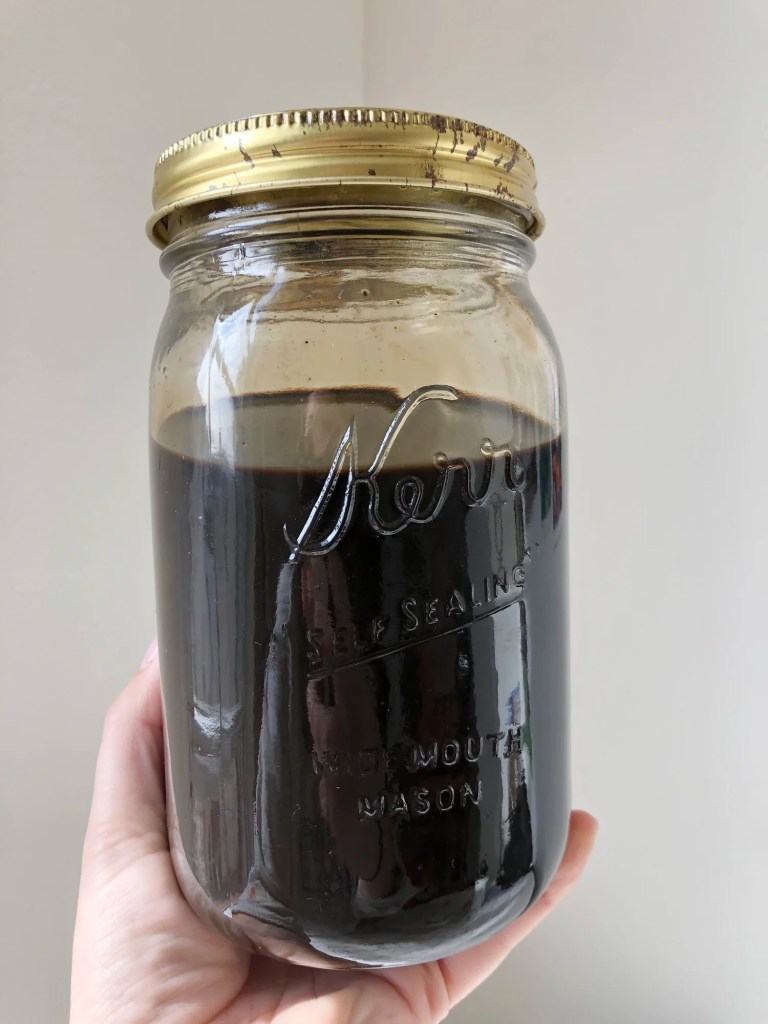
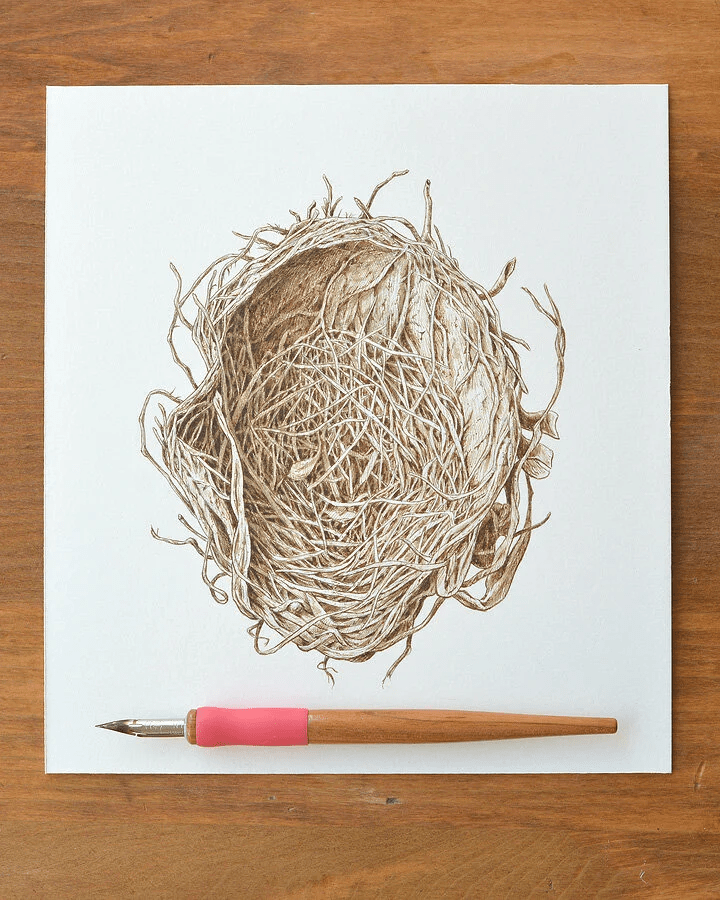
Black Walnuts are great for free, sepia-toned pigments for painting. Can’t afford paints? No worries.


Summary
- Used by Indigenous peoples for food, dye, ink, medicine, and wood
- Nuts fed people, livestock, and wildlife
- Hull dye and ink you’re planning to use is historically authentic to this land
- The tree’s chemistry (juglone) shapes the surrounding plant community — it’s a keystone presence, not an invasive
Slippery Elm
This was the prize find of the morning. These wonderful trees have a long history of being used to treat acid indigestion and similar GI issues. It doesn’t work by suppressing acid (which is the backwards way of treating reflux) it lines the esophagus, GI tract with a substance that protects it from the acid.
Benefits from Slippery Elm:
- Digestive Health – Slippery elm tea has been used as a traditional remedy to soothe the digestive tract. A small clinical trial found that slippery elm powder helped to improve digestive function in 31 individuals. Additionally, slippery elm is also thought to benefit gut health through its ability to support healthy gut bacteria.
- Upper Respiratory Tract – Slippery elm can also be beneficial for the upper respiratory tract through its mucilage content. Mucilage provides a soothing layer on the mucus membranes of the throat and esophagus. This soothing coating can provide relief for dry tissues and coughs.
- Urinary System Comfort – Slippery elm has a historical use as an herbal remedy for soothing urinary tract discomfort. While it has a long history of traditional use in this area, its effectiveness has yet to be verified by scientific research.
- Hair Health – Slippery elm is also used to support strong, healthy hair. It’s thought to help retain moisture within the scalp. This herb is also said to be a useful detangler when applied topically. We include details on how to use slippery elm as a hair rinse below.
1) Prepare the inner bark
You must remove and dry the inner bark (outer bark is not used). Once dry, it can be:
- powdered
- soaked
- infused
- used in syrups or lozenges
This is how commercial products are usually made. WebMD
2) Tea (simple water extract)
The easiest preparation:
- measure slippery elm powder
- add boiling water
- stir and steep a few minutes
This yields a mucilage-rich tea that is soothing internally, especially for sore throat, cough or digestive irritation. A Healthy Balance
You can add honey, lemon or herbs to improve flavor and effects. inspirededibles.ca
3) Stronger infusion or extract
For a thicker/more concentrated extract:
- Steep bark in cool water overnight (cold infusion) to pull out more mucilage. Forrest Green Farm
- Or slow simmer for several hours (traditional decoction) to extract deeper constituents. Medium
This thicker base can be:
- drunk in smaller amounts
- used as a gel soothing throat or stomach
- thickened into syrups or lozenges with honey or sugar. holisticferretforum.com
4) Topical pastes & poultices
Coarsely powdered bark mixed with hot water makes a gel-like paste that can be applied to skin for irritation (not open wounds).
Source: Slippery Elm: Health Benefits & How to Use It (Tea, Capsules, Extract)
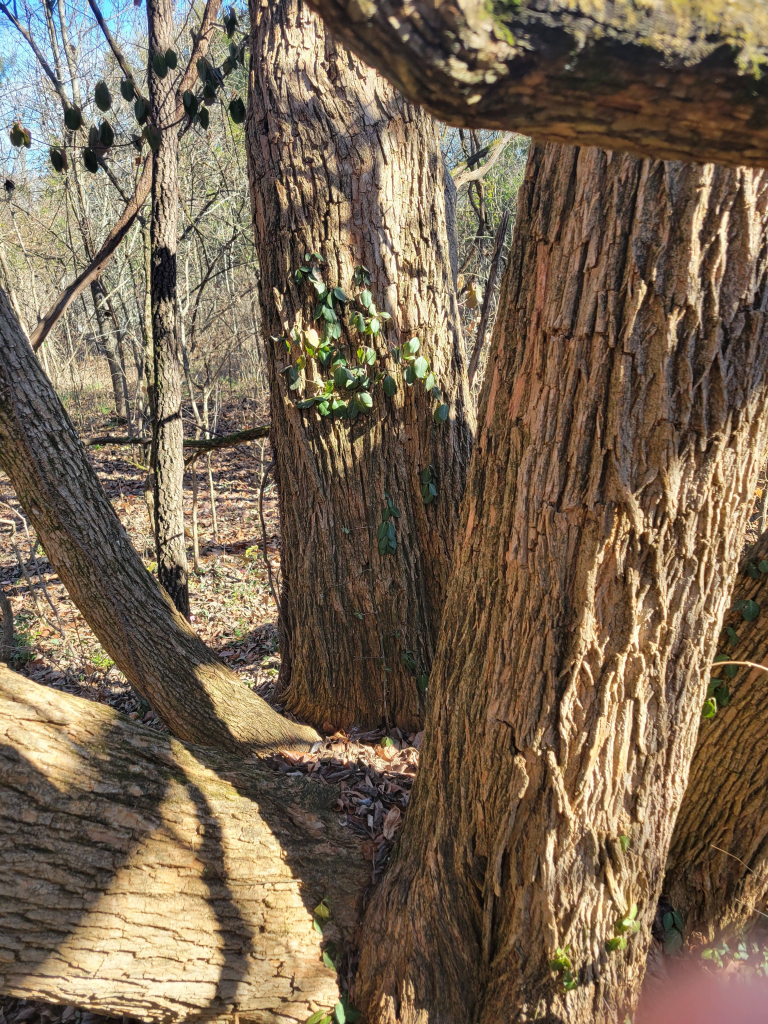
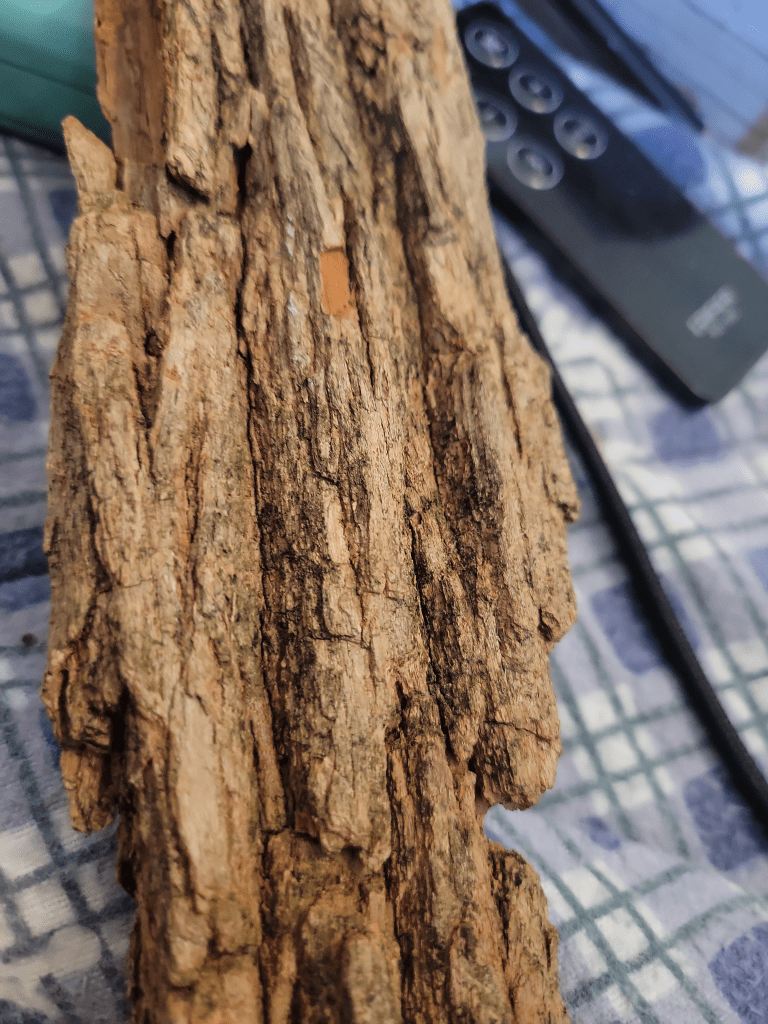
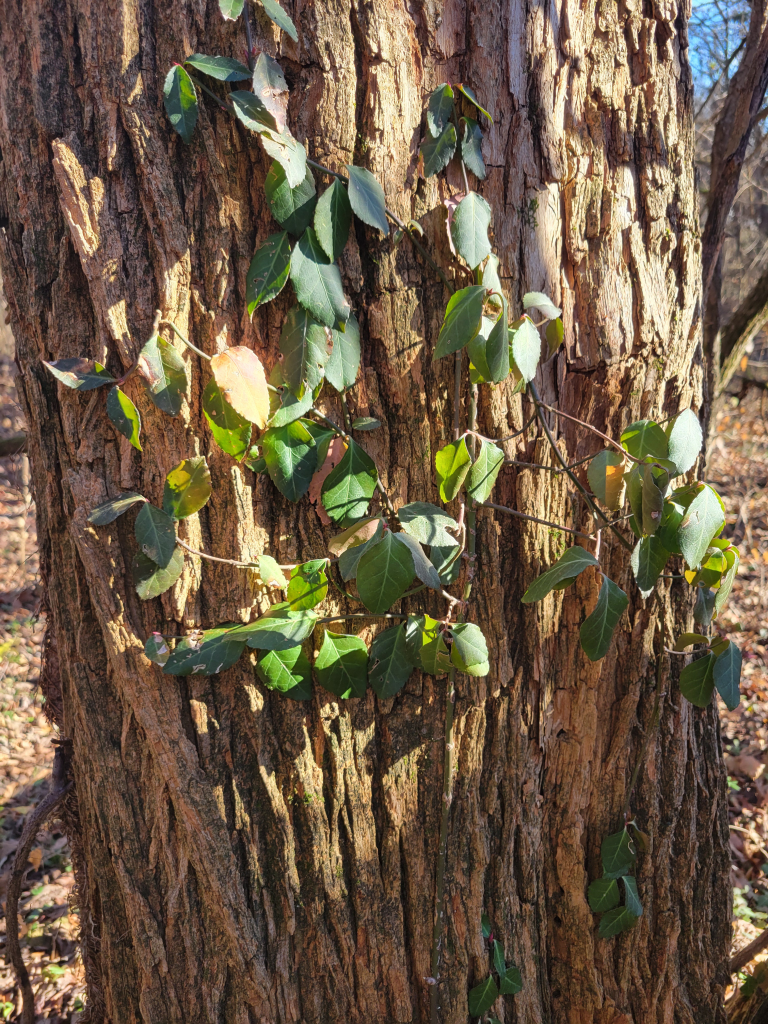

This tree was the centrepiece of the wooded area behind my apartments and I am specifically having the issues it naturally treats. Not a coincidence.
I found lots of other things in these woods. It’s a typical Eastern
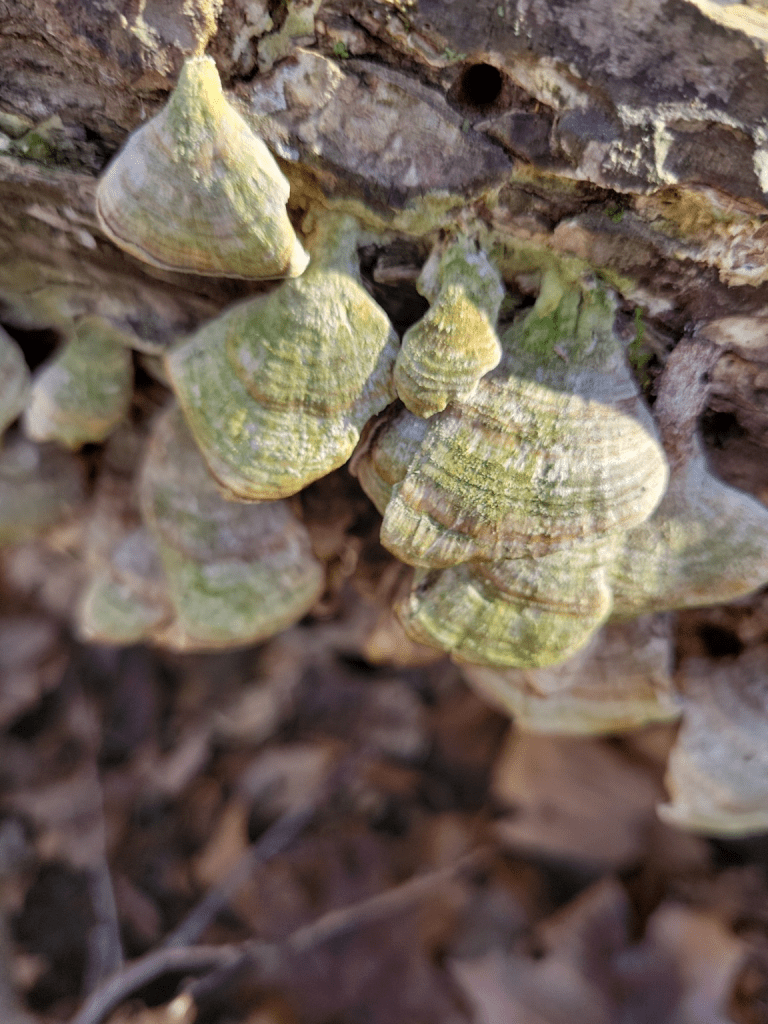
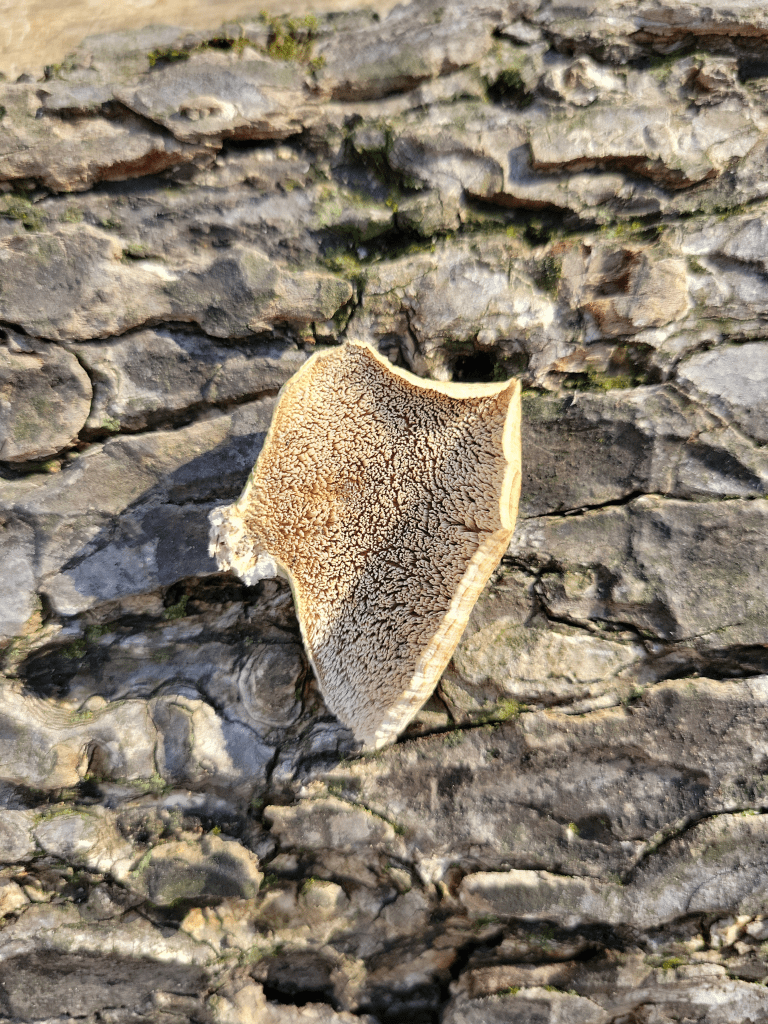
These are Lumpy Bracket. (Trametes gibbosa)
What is it? It’s a cancer treatment. Cancer is not an illness. It’s not something that needs to be cured. When cancer cells are abundant (this is what testing looks for, but indirectly) they are there attacking toxins that are in your body that are so heavy and dangerous that your liver cannot properly rid your body of them. That’s the liver’s function in the body. It’s just to rid it of toxins. Liver damage is caused when the liver has to work too hard to do this because you won’t stop poisoning your body. Alcoholics, for instance.
What a lot of natural treatments do is help to rid the body of toxins. So these little guys here are a helping-hand to cancer cells.
No one dies of cancer. Everyone who dies of that diagnosis, dies because they were slowly poisoned to death.
Radiation, Chemotherapy = Poisons
These are ADDITIONAL toxins that these evil Doctors/Nurses are putting into people’s bodies who already contain TOO MANY TOXINS! It’s not a cure. It’s a profit scheme. It keeps you sick. It’s designed to do that.
You think they don’t know what causes “cancer” and how to prevent it? Then how do I know? They are CAUSING the cancer. They know that.
This freaking lumpy branch fungi will heal your “cancer” diagnosis! It will make it easier for the cancer cells to do what they are present to do.
Here is what the devilish ChatGPT told me when I asked about medical uses of this:
Use & safety
- ❌ Not edible
- Occasionally mentioned in research contexts, but not a folk medicinal mushroom
- Best appreciated as an indicator of woodland health and decay cycles
The book entitled The Fungal Pharmacy, by Robert Rogers, states “The related Trametes gibbosa has an inhibition rate of 49% against sarcoma (cancer) 180 with hot-water and ethanol extract.”
I was looking for a copy of this book I didn’t have to pay for to share with you and found an invaluable resource I’ll link. Virtually any book you can think of can be found here free to download. I think you can sign up and get faster downloads.
The Fungal Pharmacy – Anna’s Archive
Here is the wiki which posts all the alternative links to this site which just 2 days ago the Feds attempted to shut down. (Happy reading.
And, of course, nothing in nature is only good for one thing. (or nothing)
This lumpy bracket (and I have a source for a TON) is a great dye for paper or fabrics. It will work as a watercolor, but works better as stain for paper or fabric. I’ve got lots of really nice watercolor paper I could stain. Turns out there’s a wide variety of mushrooms/fungi that work great for this purpose.
The other things I found on this trip were Beech, Greenbrier (Young spring shoots are edible [asparagus-like])
Young spring shoots (very important qualifier):
- Harvest when 6–10 inches tall, before they harden
- Taste like asparagus / green beans
- Eat steamed, sautéed, or boiled
- Nutritious: fiber, vitamin C, minerals
Greenbrier Medicinal / traditional uses:
Used historically by Native American and Appalachian herbal traditions.
Roots (rhizomes)
- Blood purifier / alterative (old herbal term for metabolic support)
- Traditionally used for:
- Skin conditions
- Joint stiffness / rheumatic complaints
- Digestive sluggishness
- Some species were used as a sarsaparilla substitute
Modern note:
There’s mild evidence of anti-inflammatory and antioxidant compounds
This is the freaking vine we are talking about.

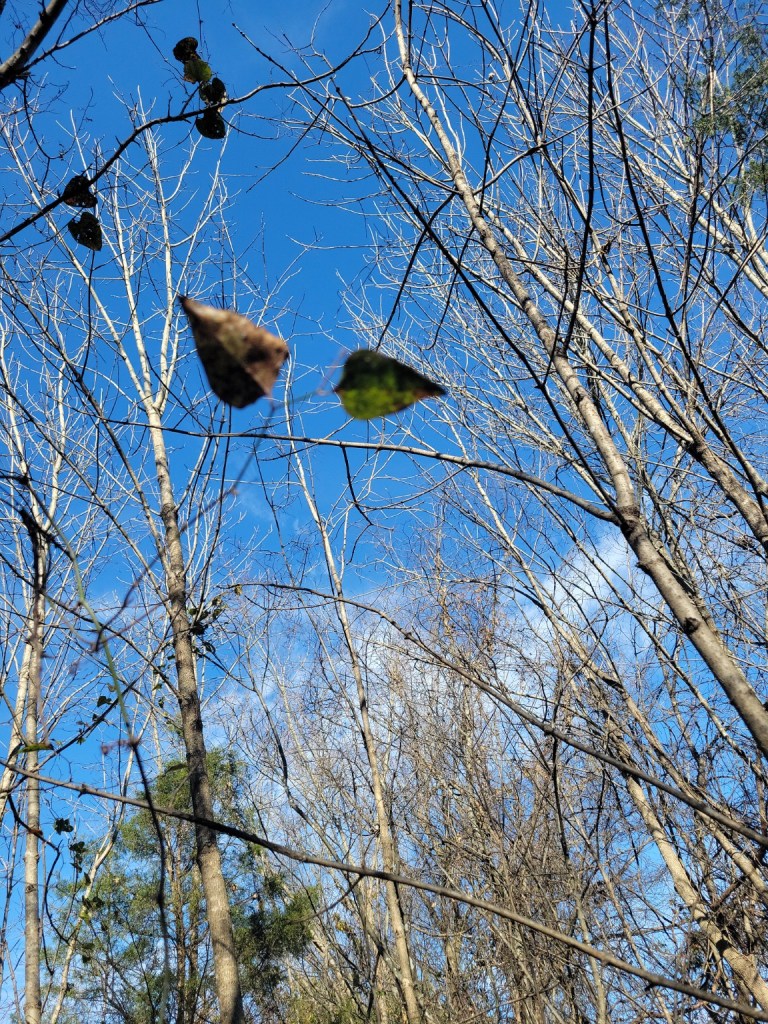
I’ve seen this vine all throughout the woods since I was a child. It’s got thorns on it and it grows on other plants/trees. It’s absolutely crazy to me the natives used this vine for so much. They made baskets, cords and used this vine to tie people up for the same purpose cops use handcuffs!
White Pine
(great tea for Vitamin C boost: pour boiling water over pine needles for tea. Steep 10 minutes. 10 Reasons You Should Be Drinking Pine Needle Tea
Hackberry:
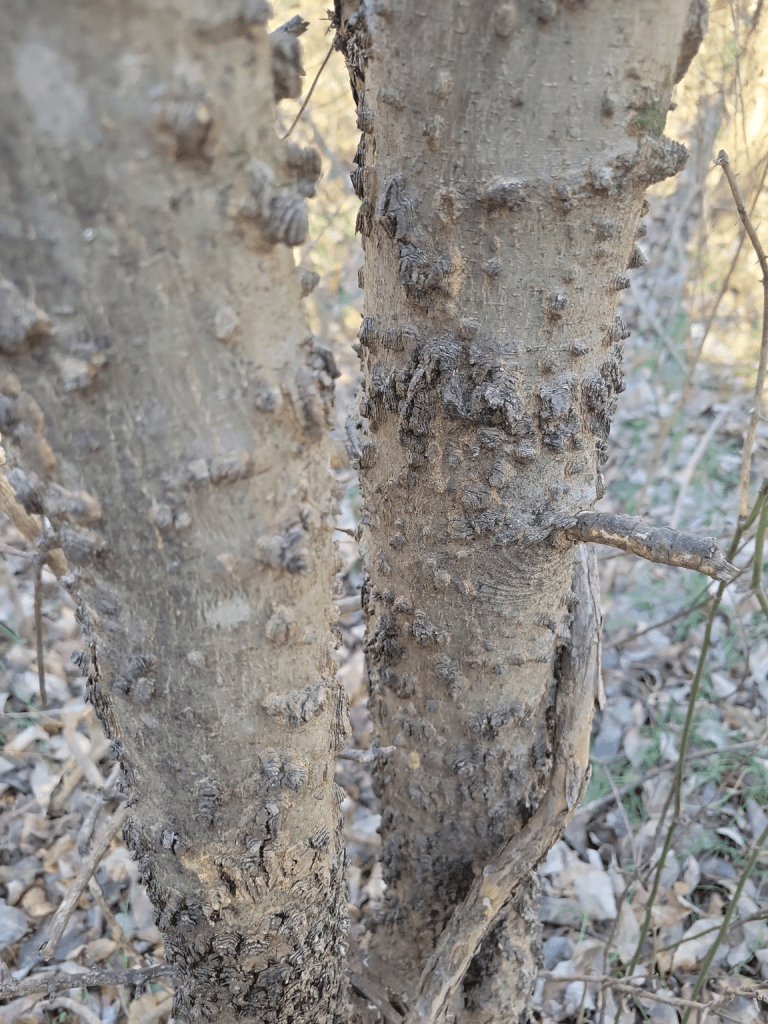
Produces small purple-black drupes in fall
Edible — thin sweet pulp over a hard seed
Eaten historically by Native Americans
Can be:
Eaten raw
Dried and ground (pulp + seed) for nutrient-dense food
Extremely valuable wildlife food
🌿 Medicinal / folk uses
- Bark and leaves used historically as:
- Mild astringent
- Digestive support
Osage Orange
Which my family used to call hedgeapple. It’s an extremely hard wood that is resistent to rot and insects. The fruit also makes a great insect repellent. It has other uses but a lot of them have been lost to us. Squirrels feed on the fruit and it’s thought the natives used them too.
Well, I just looked it up and I discovered it’s the seeds that are edible. So what the squirrels are doing is digging to get to them. This lines up because I grew up with these trees and you’ll often see them torn apart and discarded. I never thought about why.
Another common name for this tree is the bodok/bodark which comes from the French word bois d’arc that means “bow wood” stemming from the fact the natives used its wood to make bows. Today the wood is used to make guitars and used to produce a yellow dye.
I was on the lookout for Paw Paw trees, but didn’t find any. It’s not a good time to look for them really as their leaves are the best way to identify them and they haven’t got any right now. I’m sure there are some near me. I also have my parents’ woods which are much bigger and I have yet to explore there. I am sure there are paw paw trees somewhere back there.
Some more relevant books I found on the Internet Archive while rummaging around:
 Musings of the Mad